
How Summer Play Gets Kids Ready for Kindergarten
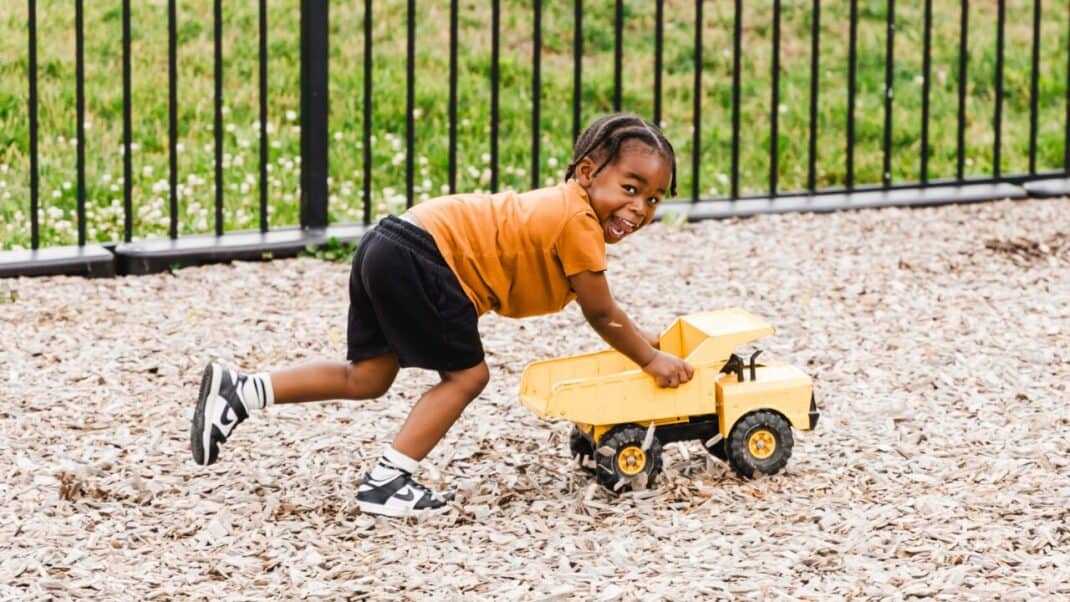
Quick Answer
Play-based learning builds the exact skills kindergarten teachers look for — not by drilling letters and numbers, but by giving children real experiences that develop focus, communication, problem-solving, and emotional resilience. If your child is spending this summer building, pretending, creating, and exploring, they are already doing the work. At Springview Academy, that work happens every single day.
The Summer Before Kindergarten Feels Like a Big Moment
You have likely found yourself watching your child play this summer and wondering if they are fully prepared for the upcoming school year. Perhaps you have searched for a kindergarten readiness checklist late at night, or felt a quiet worry when hearing other families discuss flashcards. This is a completely natural feeling because you want your child to step into their new environment with social confidence and genuine joy.
If you’ve been researching play-based programs in Mt. Pleasant or nearby communities like Summerville, SC, you’ve probably noticed that different programs describe “school readiness” in very different ways. Knowing what readiness actually looks like, and how play builds it, can help you feel a lot more confident about this summer.
What Kindergarten Teachers Are Actually Looking For
Here’s something worth knowing: most kindergarten teachers will tell you that the children who tend to thrive are the ones who can listen, take turns, ask for help, and keep trying when something is hard. Academic skills matter, but they build on top of a social and emotional foundation that takes years to develop — and play is exactly how that foundation gets built.
When your child negotiates who gets to be the firefighter in a pretend game, they’re practicing communication and compromise. When they spend 15 minutes trying to balance a block tower that keeps falling, they’re building persistence and problem-solving. These are the skills that help a child sit through a group lesson, make a new friend at lunch, and raise their hand when they don’t understand something.
A child who walks into kindergarten able to manage their feelings, work alongside others, and stay curious when things get challenging is a child who is genuinely ready — regardless of how many letters they can name.
How Play Builds Readiness All Summer Long — Right at Home
The good news is that the most powerful play-based learning this summer doesn’t require a curriculum or a program. It happens at the kitchen table, in the backyard, on the living room floor.
When children play with loose materials — sand, water, blocks, paint, fabric scraps — they are constantly making decisions, testing ideas, and adjusting when something doesn’t work. That process is the same one they’ll use in kindergarten when they encounter a word they don’t recognize or a math problem that doesn’t have an obvious answer.
According to Waterford.org, summer learning activities that promote school readiness don’t need to look like school at all — things like cooking together, exploring nature, telling stories, and building with everyday materials give children rich developmental experiences that prepare them directly for the classroom. The play itself is the preparation.
Simple things you can try at home this summer:
- Let your child help with real tasks — measuring ingredients, sorting laundry, watering plants
- Build something together with blocks, cardboard boxes, or whatever you have on hand
- Tell stories together, take turns adding what happens next
- Go outside and follow whatever your child notices — bugs, clouds, puddles
None of this needs to look like school. That’s the point.
The Social-Emotional Skills That Actually Predict Success
Research on early childhood consistently shows that social-emotional development in the early years is one of the strongest predictors of long-term academic success. But what does that actually mean for a four-year-old this summer?
It means a child who can name how they’re feeling and ask for what they need. A child who can wait for their turn without melting down. A child who can recover from frustration when the puzzle piece doesn’t fit or the paint color isn’t what they wanted.
Play builds all of this — not through lessons about feelings, but through the natural friction and joy of playing alongside other children every day. When two children both want the same bucket at the water table, they have to figure something out. That moment, small as it looks, is doing exactly what a kindergarten readiness curriculum is designed to do.
You can support this at home too. When your child gets frustrated, naming the feeling out loud — “That looks really frustrating. You’ve been working on that for a while” — gives them the language to start managing it themselves. That skill is worth more than any worksheet.
What to Look for When Choosing a Program for Fall
If you’re thinking ahead to fall and considering a play-based program for your child, there are a few things worth paying attention to during a tour. Watch how children move through the space. Are they choosing their own activities? Are they talking to each other and to the educators? Are they allowed to stay with something they’re interested in, or are they frequently redirected?
Our experienced teachers utilize structured lesson plans to facilitate imagination while carefully observing and extending each child’s critical thinking. This expert balance of support and independence is what builds the social confidence required for long-term academic success.
Review our play-based preschool programs to learn more about what intentional play-based learning looks like in our classrooms.
Frequently Asked Questions
Should I be doing academic drills with my child this summer to prepare for kindergarten?
For most children, drilling letters and numbers before kindergarten isn’t necessary and can sometimes take the joy out of learning before it begins. Strong kindergarten readiness comes from rich play experiences, conversations, and emotional development — the skills children build through play are the ones teachers rely on in the classroom.
What kinds of play at home actually help with kindergarten readiness?
Open-ended play is the most valuable — building, pretending, creating, and exploring without a set outcome. Everyday activities like cooking, gardening, and storytelling count too. The common thread is that your child is making choices, solving small problems, and talking through what they’re doing.
How do I know if my child is ready for kindergarten?
Rather than a specific checklist, kindergarten readiness is best understood as a combination of factors: can your child manage their emotions with some support, communicate their needs, engage with others, and stay curious when something is new or difficult? If your child is playing, exploring, and developing confidence this summer, they are building readiness in the most meaningful way.
Is a play-based preschool program a good choice for the year before kindergarten?
A strong play-based program in the year before kindergarten gives children daily practice with exactly the skills kindergarten depends on — taking turns, communicating, staying focused, and working through challenges. Visiting a program in person is the best way to see whether the environment feels like the right fit for your child.
Kindergarten is coming, and your child is more ready than you might think — especially if their days are filled with real play, real conversations, and real opportunities to figure things out. This summer, the most important thing you can do is give them the space and time to keep doing exactly that.
Families in Mt. Pleasant or nearby communities like Summerville, SC choose Springview Academy because they see how play builds the confidence, curiosity, and connection that kindergarten teachers are genuinely hoping to find. If you’re thinking about fall, we’d love to show you what that looks like in person.
Schedule a tour at Springview Academy and see our play-based program for yourself.